

If champions are key to sustaining innovation in healthcare, what sustains the champions?
2nd October 2026
What helps an innovation stick? Lessons from Bridges Champions on spreading and sustaining change
A valuable discussion in our August Bridges peer coaching session explored a question many clinicians and teams will recognise:
Can investing more time at the beginning save time later?
The experience shared across our Bridges Champions community, spanning adult, paediatric, community and inpatient services, suggested a strong yes, when that time is purposeful.
What struck us during the discussion was that we weren’t only talking about individual clinical encounters. We were also discussing something much broader: how person-centred approaches become embedded, spread and sustained in routine practice across healthcare teams.
This echoes a longstanding challenge in healthcare. Over twenty years ago, Greenhalgh and colleagues highlighted that successful implementation depends not only on the innovation itself but on the people, relationships and networks that support its adoption and ongoing use. Champions were identified as playing an important role in mobilising enthusiasm, influencing colleagues and helping new ways of working become normal practice.
Several themes emerged:
Start with what is most meaningful. Taking time to understand what is important to the person (in the here and now) helps ensure rehabilitation and care interactions are meaningful and relevant, reducing the risk of effort being directed towards outcomes that have little value for the individual.
Invest early to avoid problems later. Many clinicians described spending longer during initial conversations exploring priorities, expectations, hopes and concerns. While this may appear less efficient initially, it often prevented misunderstandings and barriers emerging later in the rehabilitation/care journey so saving time later.
Self-efficacy matters as much as goal setting. The conversation repeatedly returned to a core Bridges principle: identifying meaningful goals (or things) is important, but supporting confidence and capability to act on them is equally critical.
Good questions create powerful shortcuts. Questions such as “What’s one small step that could help you feel more like yourself?” often revealed barriers and opportunities that might otherwise have remained hidden.
Expectations need attention from the outset. Participants reflected on the challenge of shifting expectations from a model where the clinician “fixes” the problem towards one of collaboration, shared decision making and self-management support.
Timing matters. The group also recognised that skilled person-centred practice includes understanding when someone may not yet be ready to engage in self-management because of anxiety, low mood, complexity or competing priorities. And helping support them to move towards being ready.
Perhaps most interestingly, the discussion moved beyond individual consultations and into systems thinking.
Champions shared examples of:
- Sending reflective prompts before appointments.
- Using Bridges-informed resources in waiting periods.
- Embedding self-management principles into induction pathways.
- Delivering brief refresher sessions for teams.
- Creating opportunities for peer reflection and coaching.
These examples resonate strongly with implementation science. A recent systematic review by Santos and colleagues found some evidence that champions can positively influence the uptake of innovations, best practices and new technologies within healthcare organisations, particularly by supporting colleagues and maintaining momentum during implementation. But more evidence is needed to describe the champions and their activities.
But what we find particularly encouraging is that our peer coaching sessions appear to reflect many of these functions. They create a space where clinicians can share practical experience, troubleshoot challenges, reinforce key principles and learn across organisational boundaries. In doing so, they support not only individual practice development but also the wider spread and sustainability of person-centred approaches.
Perhaps the biggest takeaway was that:
Time-efficient practice is not necessarily about doing things faster. It is about investing time differently, understanding what is most meaningful to them, supporting self-efficacy and creating the conditions for meaningful change.
But also that:
Healthcare innovations are rarely sustained through policies and training alone. They are sustained through people. Champions, networks and peer learning may be some of the most important mechanisms we have for embedding person-centred practice into everyday care.
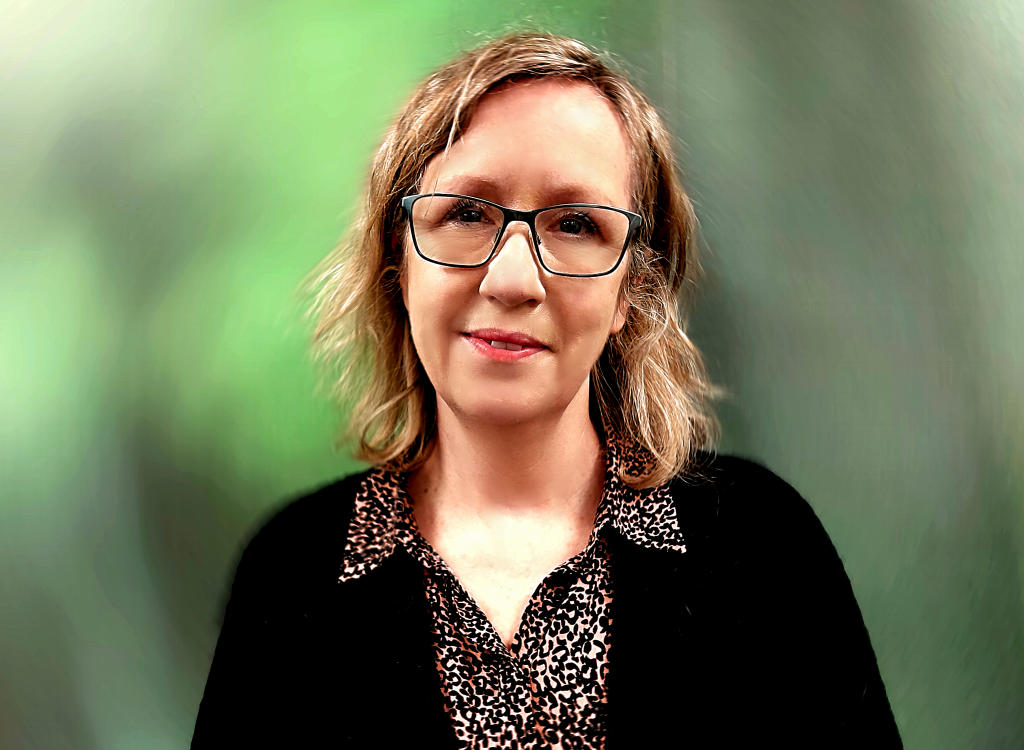
Fiona Jones is CEO of Bridges Self-Management and Professor of Rehabilitation at City St George’s University.